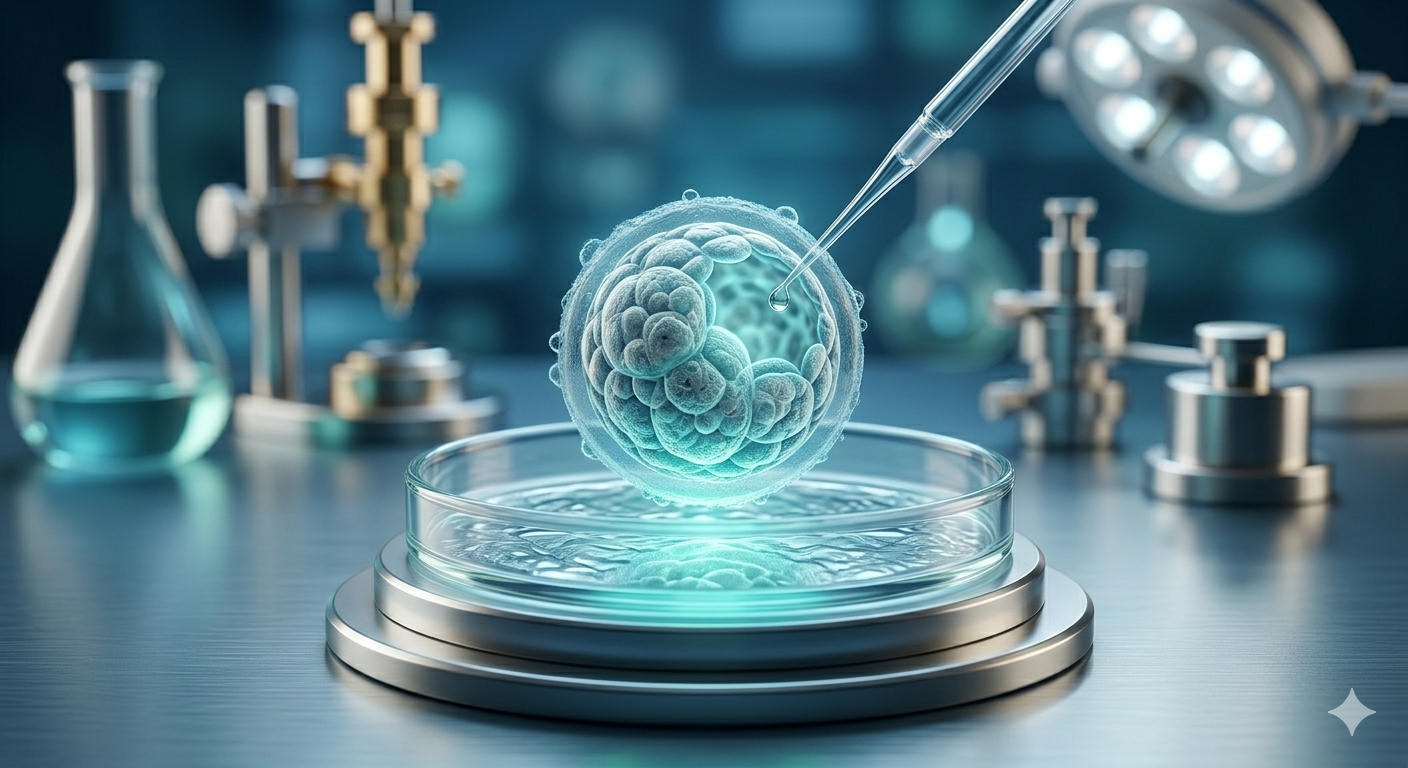
IVF Treatments has made it easier for people with fertility problems to have children. It gives hope to many couples and individuals. But even with new technology and better treatments, IVF results are not the same for everyone. One of the biggest reasons for this is that every patient is different. Customized IVF treatments, especially personalized stimulation plans, are so important. These plans improve results by matching the treatment to each person’s needs.
Understanding Stimulation in IVF Treatments
The goal is to help the ovaries make more than one egg, which gives a better chance of fertilization and creating healthy embryos. Before, most clinics used the same treatment for everyone, mostly based on things like age or hormone levels. However, this “one-size-fits-all” approach overlooks the vast variability in ovarian response among patients. Today, with the help of medical EMR software, clinics can better analyze individual patient data to design more personalized and effective stimulation plans.
If the ovaries don’t respond the right way, it can cause problems, stress, and extra costs. That’s why Customized IVF treatments are helpful—they match the treatment to what each person’s body needs.
Why Personalized Protocols Matter?
Every person going through IVF is different. They have their own fertility history, hormone levels, egg count, and lifestyle. Personalized stimulation protocols help doctors adjust the hormone dose, type of medicine, and timing to fit each person’s needs.
This custom approach does more than just help collect eggs—it also keeps the treatment safe and effective. It lowers the risk of problems like ovarian hyperstimulation and helps collect better quality eggs. When the treatment matches the body’s response, the chances of success in IVF treatments goes up.
Factors Considered in Personalized Stimulation
Personalized stimulation isn’t a guesswork game—it’s based on science. Clinicians typically evaluate several critical factors:
-
Age and fertility history
-
Anti-Müllerian hormone (AMH) levels and antral follicle count (AFC)
-
Basal hormone levels (FSH, LH, estradiol)
-
Body mass index (BMI)
-
Previous IVF treatments cycle outcome
-
Genetic and metabolic markers (in some advanced clinics)
Doctors use this information to see how a person might react to the treatment, whether their response will be low, normal, or high. This helps them pick the right plan for each patient.
The Impact on IVF Treatments Success Rates

Customised IVF Treatments
Studies show that customized IVF treatments lead to higher chances of pregnancy and live births. By fine-tuning the dosage and medication protocols, clinics can:
-
Improve egg yield in poor responders
-
Avoid overstimulation in high responders
-
Enhance embryo quality
-
Increase implantation and pregnancy success
-
Reduce treatment drop-out due to side effects or poor results
For example, a study showed that using personalized stimulation plans can help women who have a low number of eggs, a group that usually has a harder time with IVF.
Technology’s Role in Personalization
Meddilink’s MedART stores patient history, hormone levels, ultrasound, and genetic data. It uses this information to find the best treatment plan for each patient.
By using algorithm-driven recommendations and predictive modeling, fertility specialists can:
-
Make data-informed decisions
-
Reduce trial-and-error in medication dosing
-
Anticipate ovarian response with greater accuracy
-
Improve clinical efficiency and patient experience
These technologies are also essential for scaling personalization across high-volume fertility centers without compromising quality.
Connect with us on LinkedIn for more insights and updates.
Challenges and Considerations
While personalized stimulation plans are a big improvement, they also bring challenges. Doctors need to spend more time evaluating each patient, monitor them more closely, and often use advanced tools.
It also requires a change in how clinics think—shifting from a one-size-fits-all approach to focusing on each patient’s needs. Clinics must invest in training, technology, and systems that support this personalized care.
Also, not every patient will react the same way. Genetic factors and other unknowns can still cause unexpected results. Still, moving toward customized IVF treatments is an important step in making IVF more predictable and reliable.
A Patient-Centered Future
The future of fertility care is all about personalization. Patients are learning more and getting more involved. They want treatments that fit their needs. Personalized plans improve IVF success rates. They also build trust, make patients happier, and reduce stress.
For fertility clinics, personalized care is a must. It’s no longer optional if they want to stay ahead in reproductive care.
Conclusion
Customized IVF treatments, like personalized stimulation plans, are transforming the IVF experience. Instead of one-size-fits-all methods, clinics now use medical EMR software and AI healthcare solutions to analyze each patient’s unique data. This precision approach leads to better outcomes, fewer risks, and a more compassionate, tailored process.
At Meddilink, we’re proud to support this shift through advanced EMR software in healthcare, smart data tools, and generative AI in healthcare. By combining science, technology, and a patient-first mindset, we help deliver more successful and personalized IVF results.
Suggested Read – Data Security & IVF Compliance: The Role of EMR Software

Topics